Home › Guides › Diode vs CO2 laser: which one do you actually…
Diode vs CO2 laser: which one do you actually need?
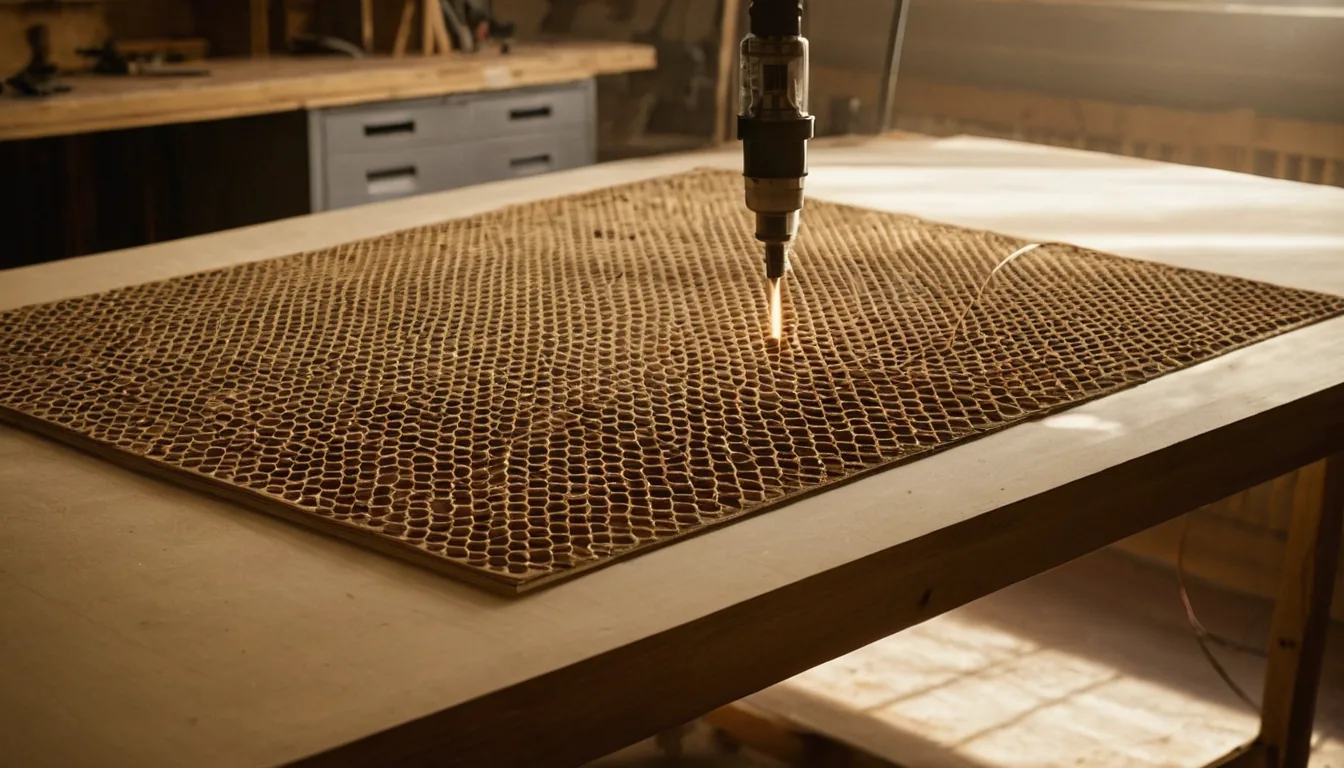
Every first-laser decision comes down to this. Diodes are cheap, compact and great at engraving; CO2 lasers cut faster, cut acrylic, and cost more to buy and run. Here's the comparison we give customers.
The differences that matter
| Diode (450 nm) | CO2 (10,600 nm) | |
|---|---|---|
| Typical power | 5–40 W optical | 40–150 W |
| Cuts clear acrylic | No (beam passes through) | Yes, polished edge |
| 3 mm plywood speed | 4–10 mm/s | 12–24 mm/s |
| Max practical cut | ~10 mm wood (40 W, passes) | 20–25 mm wood/acrylic |
| Engraves metal | Coated/anodised, some stainless marking | Coated only (needs marking spray) |
| Price | €300–2,000 | €500 (K40) – €10,000+ |
| Consumables | Diode module (10k+ h) | Tube (1.5–3k h), mirrors, lens |
| Footprint | Desktop, often open frame | Enclosed, heavier, needs chiller above ~50 W |
Side-by-side times for the same part on real machines: pick any material — each page lists diode and CO2 classes next to each other.
Choose a diode if…
- You mostly engrave (wood, slate, leather, tumblers with a rotary).
- Cutting is ≤ 4 mm wood or leather, small volume.
- Budget is under ~€1,500 or space is tight.
Best open diode: xTool D1 Pro 20 W: xTool store ↗ Check price on Amazon ↗
Best enclosed diode: xTool S1 40 W: xTool store ↗ Check price on Amazon ↗
Choose a CO2 if…
- You will cut acrylic — any acrylic signage work ends the debate.
- You sell cut parts and throughput matters (3–5× faster).
- You cut above 5 mm regularly.
Best value CO2: OMTech 60 W: OMTech store ↗ Check price on Amazon ↗
Easiest CO2: xTool P2S: xTool store ↗ Check price on Amazon ↗
Also consider a fiber laser if your work is metal marking — neither diode nor CO2 engraves bare metal well.
FAQ
Can a diode laser cut acrylic?
Only dark, opaque acrylic, slowly. Clear and translucent acrylic lets the 450 nm diode beam pass through, so it won't cut. CO2 lasers cut all acrylic cleanly.
Is a 40 W diode as good as a 40 W CO2?
No. Diode watts are optical output combined from several modules with a larger spot; a 40 W CO2 cuts thicker and faster and handles acrylic. Roughly, a 40 W diode performs like a 20–25 W CO2 on wood and not at all on clear acrylic.
Which is cheaper to run?
Diodes: almost nothing (no tube, no chiller, small extraction). CO2: tube replacement every 1,500–3,000 h (€150–600), chiller power, lens/mirror cleaning. Per hour of billing, both are minor compared with machine time value.
Disclosure: some links are affiliate links — if you buy through them we may earn a small commission at no extra cost to you. Prices are approximate list prices at the time of writing; always check the current offer.