Home › Materials › Laser cutting Fabric (thin): speed, time and…
Laser cutting Fabric (thin): speed, time and cost
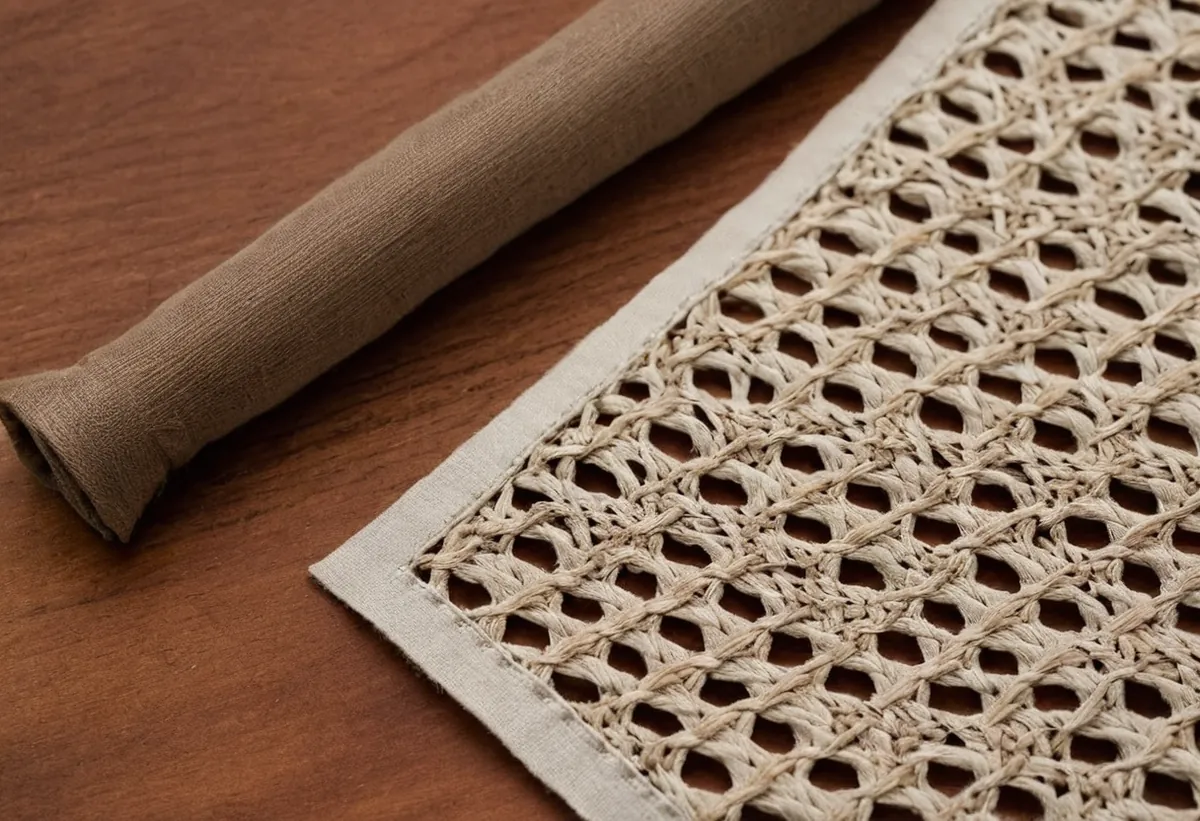
Fabric (thin) cuts at about 100 mm/s on a 100 W CO2 laser in one pass. Below: what that means in time and money on common machines, plus settings tips. Price your own file in the calculator — it runs in your browser, nothing is uploaded.
Open the calculator preset for Fabric (thin) →Fabric (thin) at a glance
| Material group | Fabric / Felt |
|---|---|
| Reference cut speed (100 W CO2) | 100 mm/s × 1 pass |
| Air assist | low air assist |
| Diode lasers | yes, slower (5–10×), more passes as thickness grows |
Time and cost by machine (100 × 60 mm part, €60/h)
| Machine | Speed | Time | Machine cost |
|---|---|---|---|
| xTool D1 Pro 10W | 20 mm/s | 16 s | €0.27 |
| xTool D1 Pro 20W / S1 20W | 30 mm/s | 11 s | €0.18 |
| OMTech K40 (40W CO2) | 50 mm/s | 6 s | €0.11 |
| OMTech / Gweike 60W | 75 mm/s | 4 s | €0.07 |
| OMTech / Thunder / Gweike 80W | 90 mm/s | 4 s | €0.06 |
| 100 W CO2 (workshop reference) | 100 mm/s | 3 s | €0.05 |
Speeds scale from the workshop reference by machine class. Material, setup and margin come on top — open the calculator to add them and nest parts on your sheet.
Settings tips for Fabric (thin)
pin the material flat or it lifts in the airflow; synthetic felt fuses its own edge (no fraying). Test-cut a small square first: dial speed, not power, until it just cuts through — cleaner edge, less char.
Can your machine actually cut this?
Any machine here will cut fabric, and it is fast. Cutting cleanly is less about power than about holding the material flat and still.
Buying the right sheet
Synthetics cut better than naturals. Polyester and nylon melt and self-seal at the edge, so the part will not fray — the main reason to laser fabric at all. Cotton and linen char instead of sealing and still fray, so a laser gives you little over scissors beyond precision.
Safety — read this before the first cut
Never cut PVC-coated or vinyl fabric — chlorine gas again. Treat any coated, waterproofed or "leatherette" fabric as suspect until the composition is confirmed.
Getting a clean edge
Fabric lifts in the air assist stream more readily than any other material here and will move mid-cut. Pin or weight it flat, keep air assist to the minimum that suppresses flame, and cut on a honeycomb bed so there is no surface to reflect back into the underside.
Fabric (thin) FAQ
How fast can you laser cut Fabric (thin)?
On a 100 W CO2 laser about 100 mm/s in a single pass. Diode lasers are roughly 5× slower (and need more passes above 3 mm). A 100 × 60 mm part (320 mm of cutting) takes about 3 s at 100 mm/s.
How much does laser cutting Fabric (thin) cost?
Laser cutting is priced by machine time: cut length ÷ speed = time, × hourly rate (€60/h typical for a small shop) + setup + material. At 100 mm/s a 100 × 60 mm part is about €0.05 of machine time before material and setup.
What settings do I use for Fabric (thin)?
Start from your machine's fabric / felt preset, use low air assist, and do a test cut: if it doesn't cut through, slow down 10–15% before adding power. pin the material flat or it lifts in the airflow; synthetic felt fuses its own edge (no fraying).
Where to buy Fabric (thin)
Natural fibres cut cleanly. Anything with PVC coating or vinyl backing must never go in a laser.
Check prices on Amazon ↗ Where to buy laser materials
Some links are affiliate links: if you buy through them we may earn a small commission at no extra cost to you. It keeps this calculator free.
Other Fabric / Felt: Fabric (medium) · Felt 2mm · Felt 3mm