Home › Guides › Where to buy laser cutting materials
Where to buy laser cutting materials
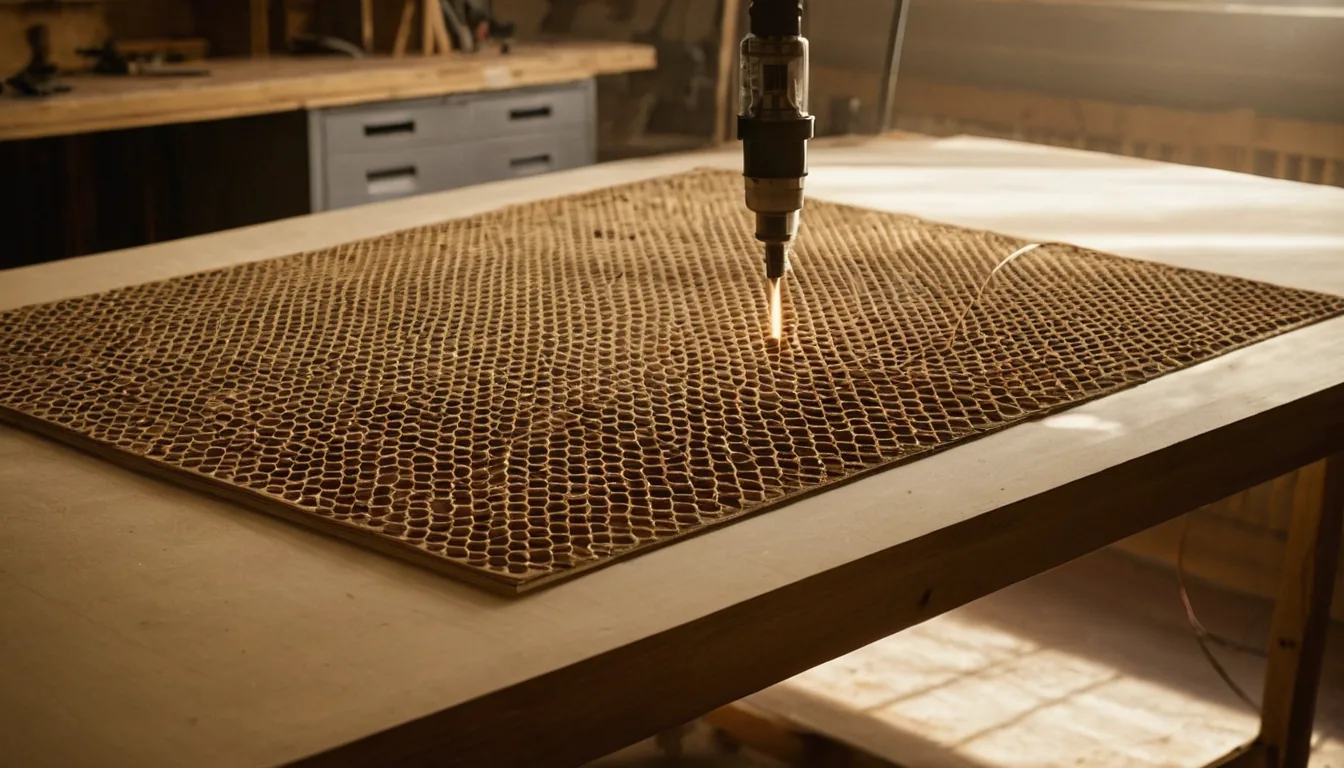
"Where does everyone buy their plywood?" is the most repeated question in every laser group, and it never gets a straight answer — because the honest one is that who you buy from matters less than what you ask them. This is how to buy material that cuts the same way twice.
Work out your cost per part →The four places people actually buy
1. Online marketplaces
Convenient, quick, and the quality is a lottery per seller rather than per listing. Good for small blanks and for trying a material before committing. Poor value per square metre on sheet goods once shipping is in. Buy one pack, test it, and only then buy the quantity.
2. Specialist laser-material suppliers
They sell laser-grade ply, cast acrylic and blanks cut to bed sizes, and they will tell you the grade because their customers ask. You pay more per sheet and waste far less of it. For anything a customer will see, this is usually the cheapest option once scrap is counted.
3. Local timber and plastics merchants
The most underrated option, and the cheapest per square metre by a distance. A plastics merchant will cut acrylic to your bed size, and a timber yard will sell you birch ply by the sheet. Two things to get right: ask for the grade in writing, and ask them to keep it flat rather than leaning it against a wall.
4. Offcuts
Both merchant types have an offcut pile they would rather sell than skip. For small work it is close to free material. Accept that it is mixed-batch, so re-test settings per piece.
What we actually buy
For a first order, these cover most of what a small shop sells. On plywood, pay for "laser grade" — voids in cheap ply stop the beam dead.
Birch plywood 3 mm, laser grade: Check price on Amazon ↗
Cast acrylic sheets 3 mm: Check price on Amazon ↗
Basswood sheets 3 mm: Check price on Amazon ↗
Veg-tan leather: Check price on Amazon ↗
Veg-tan, never chrome-tanned: lasering chrome-tanned leather releases hexavalent chromium.
Disclosure: some links are affiliate links — if you buy through them we may earn a small commission at no extra cost to you. Prices are approximate list prices at the time of writing; always check the current offer.
What to check before you buy
| Material | What actually varies | What to ask |
|---|---|---|
| Plywood | Voids, glue-line thickness, moisture, veneer consistency | Ask for laser-grade or aircraft-grade birch. Ask how it is stored. A void you cannot see is a cut you cannot repeat. |
| MDF | Binder content and thickness tolerance | Cuts predictably but smells and chars darker. Fine for jigs and bases, poor for anything with a visible edge. |
| Acrylic | Cast vs extruded, and the masking | Cast for engraving, extruded for a glossy cut edge. Paper masking beats plastic film for laser work. |
| Leather | Real vs PU/faux | Veg-tan real leather only. Faux leather is usually PVC-based — toxic and machine-damaging. |
| Plywood blanks / shapes | Whether they are the same batch | Mixed-batch blanks will not share settings. Ask whether a re-order comes from the same run. |
Buy the size your bed takes
The most common expensive mistake is buying a sheet size that does not fit the machine. Every cut-down is unpaid labour and a fresh chance to lose material to a bad edge. A 300 × 200 mm bed will not take an A4 sheet; a 600 × 300 mm bed takes most common stock without touching it.
Each of our machine guides now lists the exact bed and which standard sheet sizes fit it — for example the OMTech K40, Glowforge, xTool S1 and xTool P2 / P2S.
When buying in bulk actually pays
Bulk is only cheaper if you can store it flat, dry and out of sunlight, and if your nesting is good enough to use what is left. Warped stock is worthless stock — it will not sit flat on the bed, so the focal distance changes across the sheet and the cut depth changes with it.
Do the arithmetic on cost per part, not per sheet:
- Nesting tool — drop your file in, get real parts per sheet.
- Sheet yield calculator — same from plain dimensions.
- Cutting cost calculator — material plus machine time.
Our material pages list measured cut speeds and typical per-sheet costs for the common thicknesses, which gives you a sanity check on any quote you are given.
The materials that will hurt you
This is the one place to be inflexible. Never buy for laser use:
- PVC or vinyl — releases chlorine gas: toxic to you, corrosive to the machine's metalwork and optics.
- Faux / PU leather — usually PVC-based. "Leatherette" and "pleather" are the words to watch.
- Polycarbonate (Lexan) — yellows, chars and catches fire. It is not acrylic, though it looks identical on a shelf.
- ABS — melts rather than cuts, and emits cyanide.
The real risk is mislabelling, not stupidity. Nobody buys "PVC sheet" for a laser on purpose — they buy an unlabelled craft sheet or a cheap leatherette. If a supplier cannot tell you what a material actually is, treat that as a no. Full list: what can a laser cut and engrave?
Store it properly or stop buying in bulk
- Flat, never leaning — ply and acrylic both take a set within weeks.
- Off a concrete floor; concrete wicks moisture straight into MDF and ply.
- Out of direct sun; acrylic masking bakes on and becomes miserable to remove.
- Keep the batch together and labelled with where and when it came from — that label is what explains why last month's settings stopped working.
Test the batch, not the material
Every new batch is a new material as far as the laser is concerned, even from the same supplier. Run a quick material test grid on an offcut when a delivery arrives, write the numbers on the sheet itself, and you will never again wonder why a job that worked in spring fails in autumn.
Choosing what to buy for what you sell
- Best wood for laser engraving — which species engrave darkest and cut cleanest.
- Best acrylic for laser engraving — cast vs extruded, colours and thicknesses.
- Best keychain blanks — blank cost against sale price.
- Best materials to laser engrave — ranked by result, ease and profit.
FAQ
Can I use hardware-store plywood in a laser?
You can, and it is the most common source of bad cuts. Construction plywood is not graded for voids, so the laser meets a random air gap or a thick glue line mid-cut and the result is inconsistent burn-through on the same sheet at the same settings. It also usually has a higher moisture content. It is fine for rough work and rough on your patience for anything that has to look good.
What is the difference between cast and extruded acrylic?
Cast acrylic engraves to a bright frosted white and is what you want for engraved signage and awards. Extruded acrylic engraves to a dull, nearly clear mark, but it cuts with a cleaner flame-polished edge and is cheaper. If a supplier will not tell you which one they are selling, assume extruded.
Is it cheaper to buy big sheets and cut them down?
Usually yes per square metre, but only if you can transport and store them flat and your nesting is good enough to use the offcuts. Work out your real cost per part, not per sheet: a cheaper sheet you get 40 parts from beats a dearer one you get 60 from only if the maths says so. Our sheet yield and nesting tools do that calculation.
What sheet size should I buy for my laser?
Buy the largest size that fits your bed without cutting it down, because every cut-down is unpaid labour and lost material. A 300 x 200 mm bed like a K40 cannot even take an A4 sheet, while a 600 x 300 mm bed takes most common stock. Each of our machine settings guides lists that machine's bed and which standard sheet sizes fit it.
Which materials should I never buy for a laser?
Anything PVC or vinyl, and most faux or PU leather — they release chlorine gas that is toxic and corrodes your machine from the inside. Polycarbonate yellows and catches fire, and ABS melts and emits cyanide. The danger is mislabelling: 'leatherette', 'pleather' and unlabelled craft sheets are the usual offenders. If a supplier cannot tell you what a material actually is, do not put it in the machine.